Shoishobfoundation

Can Skill Development Really Help Women Earn an Income? The short answer? Absolutely. But let's dig into the real story behind it.For years, the conversation around women's economic independence has circled the same question: what actually works? And it turns out that women’s skill development isn't just a checkbox on a development agenda—it's become one of the most tangible pathways to actual income and financial stability. Why This Matters More Than You Might Think When a woman gains a real, marketable skill, something shifts. It's not just about landing a job. It's about dignity, choice, and the ability to shape your own future. Yet here's the gap: most women-focused skill programmes are either too theoretical or miss what the market actually needs. They teach in isolation without connecting learners to real opportunities.The statistics tell part of the story. Women comprise less than 40% of the formal workforce in many regions, and a huge chunk of that gap comes down to one thing: lack of access to skills training that actually leads somewhere. When women's skill development programmes are designed right—with industry input, practical training, and placement support—completion rates jump and employment outcomes improve dramatically. What Makes Women's Skill Development Work It's not magic. It's a strategy. Here's what separates programmes that change lives from those that just sound good on paper:Relevance. Training in skills that employers are actively hiring for—digital marketing, data entry, graphic design, e-commerce management, and customer service—beats general education every time. The women learning these skills know …

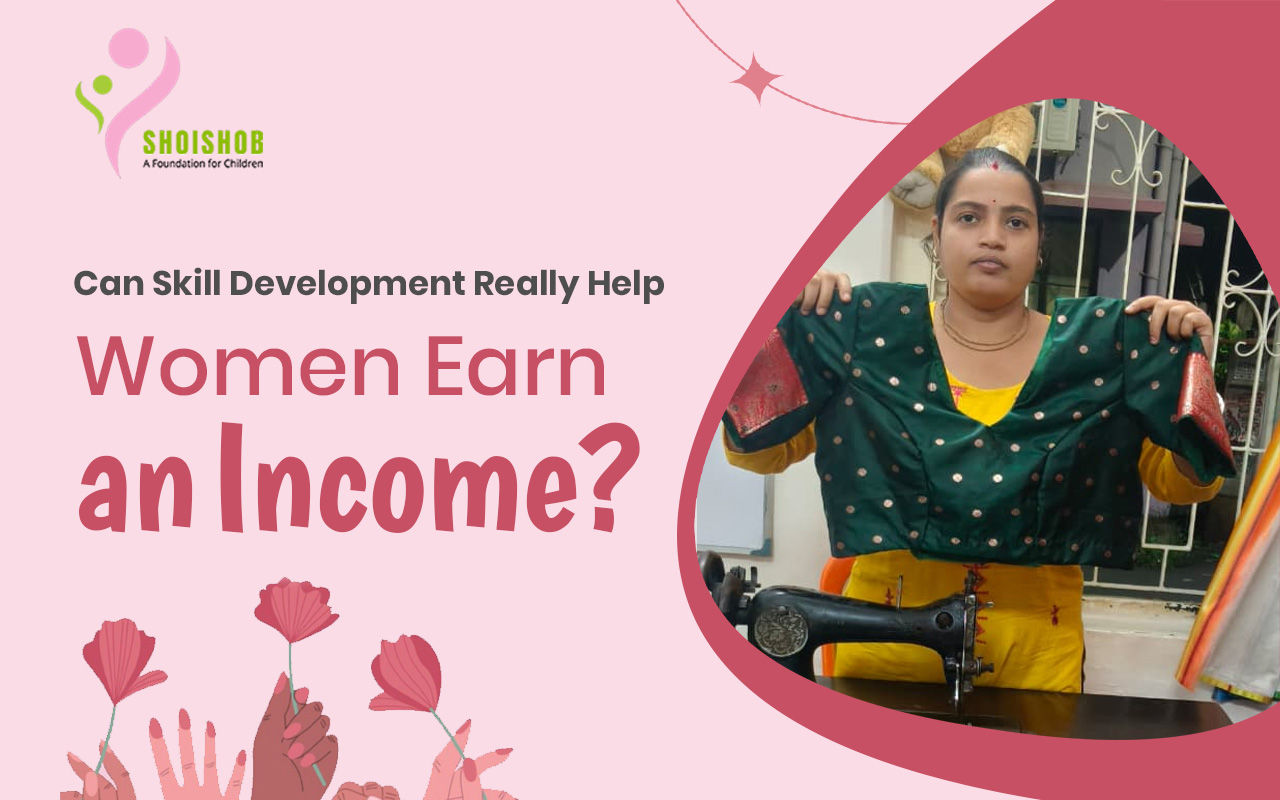
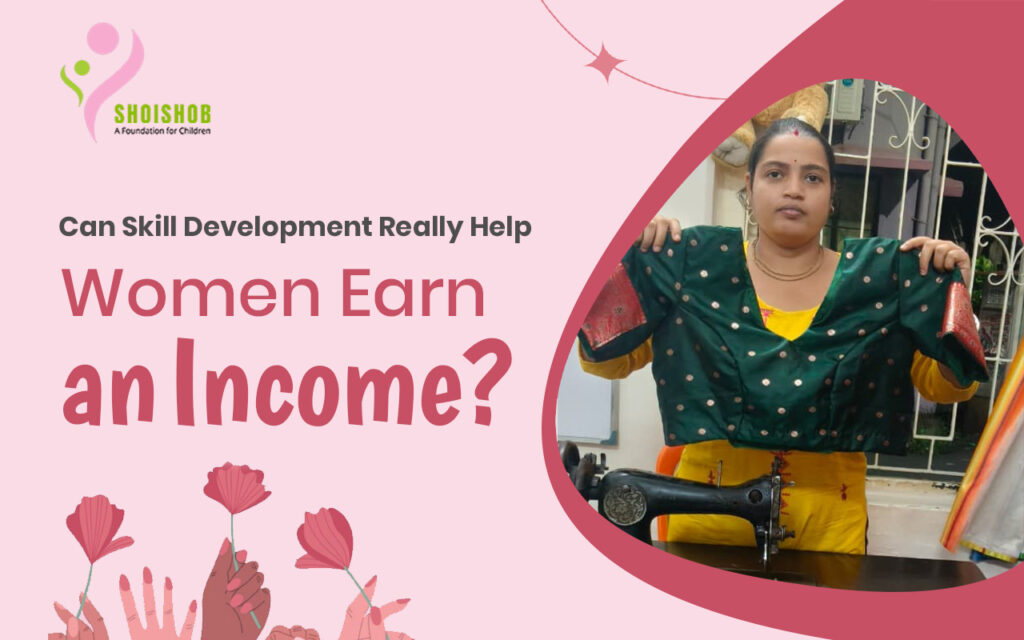
Can Skill Development Really Help Women Earn an Income?

The short answer? Absolutely. But let’s dig into the real story behind it.

For years, the conversation around women’s economic independence has circled the same question: what actually works? And it turns out that women’s skill development isn’t just a checkbox on a development agenda—it’s become one of the most tangible pathways to actual income and financial stability.

Why This Matters More Than You Might Think

When a woman gains a real, marketable skill, something shifts. It’s not just about landing a job. It’s about dignity, choice, and the ability to shape your own future. Yet here’s the gap: most women-focused skill programmes are either too theoretical or miss what the market actually needs. They teach in isolation without connecting learners to real opportunities.

The statistics tell part of the story. Women comprise less than 40% of the formal workforce in many regions, and a huge chunk of that gap comes down to one thing: lack of access to skills training that actually leads somewhere. When women’s skill development programmes are designed right—with industry input, practical training, and placement support—completion rates jump and employment outcomes improve dramatically.

What Makes Women's Skill Development Work

It’s not magic. It’s a strategy. Here’s what separates programmes that change lives from those that just sound good on paper:

  • Relevance. Training in skills that employers are actively hiring for—digital marketing, data entry, graphic design, e-commerce management, and customer service—beats general education every time. The women learning these skills know exactly where they can apply them.
  • Practical, hands-on learning. Classroom theory only gets you halfway. Programmes that include real projects, case studies, and practice with actual tools create confidence and competence simultaneously. By the time training ends, participants aren’t guessing about their abilities—they know what they can do.
  • Built-in job connections. This is the link most programs drop. Women’s skill development without placement support or employer partnerships often leads nowhere. The best programmes pair training with internships, freelance opportunities, or direct job introductions.
  • Affordability and accessibility. If training costs money women don’t have, or requires travel they can’t manage, the barrier is built in from the start. Successful programmes remove these obstacles through subsidised fees, flexible scheduling, or online options.
  • Ongoing mentorship. Jumping into a new career isn’t a one-shot event. Mentorship during and after training helps women navigate real workplace dynamics, build confidence, and troubleshoot challenges that come up.

The Income Reality

Let’s talk specifics. Women who complete quality women’s skill development programmes report income increases ranging from 30% to over 100% within the first year of employment. For some, it means moving from informal work or no work into stable freelance or salaried positions. For others, it opens the door to self-employment—running their own digital services, e-commerce stores, or consulting practices.

The income isn’t the only win. Participants report greater confidence in negotiations, more control over their work schedules, and a shift in how they see themselves. That psychological element is just as important as the rupees.

Real Barriers Still Exist

Let’s be honest: women’s skill development isn’t a universal fix. Women still face pushback—family expectations, limited access to devices or the internet in some areas, childcare responsibilities, and sometimes outright discrimination once employed. Programmes that acknowledge these barriers and build in support (childcare assistance, family counselling, ongoing support networks) see far better retention and long-term success.

Geography matters too. Urban areas have more job opportunities for newly skilled workers. Rural programmes need different strategies—potentially focusing on remote work, agricultural tech, or village-level e-commerce opportunities.

What Shoishob Foundation Is Doing

This is where Shoishob Foundation comes in. The organisation recognised early that women’s economic participation wasn’t a luxury—it was essential. By launching skill development initiatives, Shoishob Foundation has equipped thousands of women with certifications in areas like digital marketing, web design, content creation, and customer support. The results speak for themselves: women who’ve completed these programmes have moved into stable employment or launched freelance careers.

What sets Shoishob Foundation’s approach apart is the commitment to follow-up. Training doesn’t end when the certificate arrives. Participants get job placement support, access to a community of other trained women, and resources for ongoing learning. For many women, this continuous support is the difference between trying once and giving up versus persisting until they land real opportunities.

Beyond the Individual: Community Multiplier Effect

When one woman earns a stable income, it ripples outward. She invests in her children’s education. She becomes a model for other women in her community. She gains agency in household decisions. These shifts contribute to broader social change that no single policy intervention can achieve on its own.

This is precisely why Shoishob Foundation emphasises not just individual skill-building but community engagement. When women see their neighbours succeeding after training, when they hear real stories of income and independence, the social permission to pursue opportunity shifts too.

What Women Need to Know Before Starting

If you’re thinking about joining a skill development programme, here’s what to look for:

  • Does the program teach skills currently in demand?
  • Is there job placement support or employer partnerships?
  • Can you complete it around your existing responsibilities?
  • Will you have ongoing access to mentorship or community after training ends?
  • What have previous participants achieved?

The programmes worth your time – answer yes to most of these.

Frequently Asked Questions

Most range from 3 to 6 months depending on the skill. Shorter, focused certifications in specific tools might take 4-8 weeks, while comprehensive programmes run longer.

Many programmes, including Shoishob Foundation’s offerings, provide lab access or have partnerships with community centres where you can practise. Some also offer subsidised devices.

Most programmes are flexible. Online and evening options let you train around existing commitments, though the pace may extend a bit.

No programme can guarantee employment, but quality programmes connect you to employers, offer placement support, and help you build a portfolio. Your success also depends on how you use those connections.

Absolutely. Employers care about current skills more than work history. A recent certification shows you’re capable, current, and committed.

Sign up for free class

It’s easy and free!


shoishob.digital2026

shoishob.digital2026

Related Posts

Leave a Reply

Your email address will not be published. Required fields are marked *