
Why Education NGOs Are Important for Underprivileged Children in Kolkata

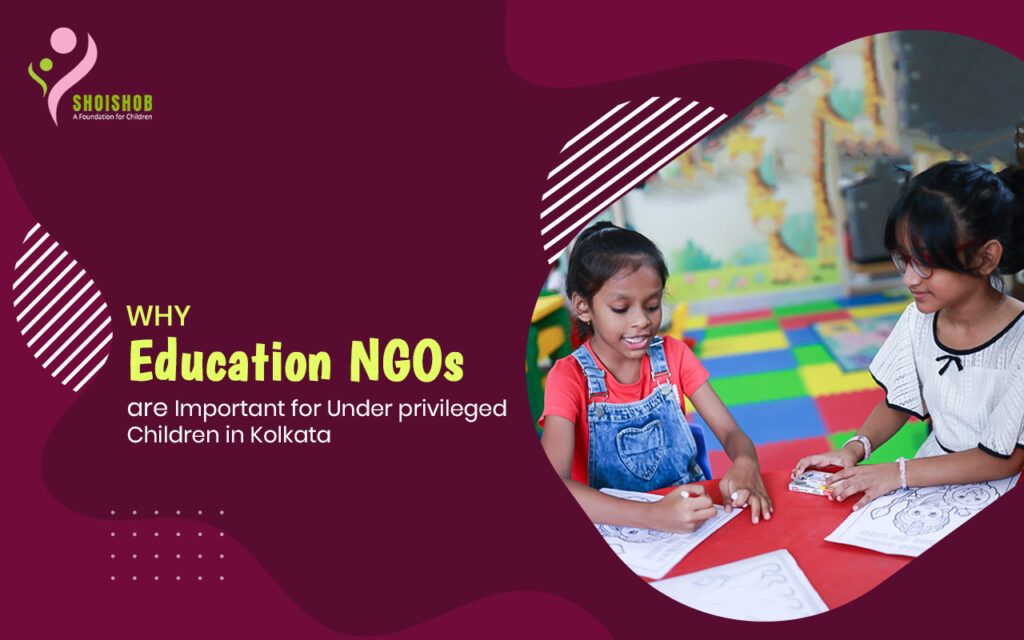
Across Kolkata’s neighbourhoods, there are children who wake up hoping for a chance at education—a simple wish that too many families can’t fulfil on their own. When resources run dry and school fees become impossible, organisations working in education step in. An NGO in Kolkata for education makes the difference between a child sitting on the street and sitting in a classroom.
The gaps in traditional schooling are real. Many families struggle to pay for books, uniforms, or even transportation to school. Teachers are stretched thin in government schools, and private institutions remain out of reach. This is where institutions dedicated to learning become lifelines.
What Makes Education Support Organisations Crucial
Organisations focused on education address problems that institutions alone can’t solve:
- They provide free or reduced-cost schooling for children from low-income families
- They offer meal programmes that ensure students come to class with full bellies
- They run evening classes for children who work during the day
- They provide counselling and mentorship beyond textbooks
- They work with parents to understand why education matters
- They identify children at risk of dropping out before it happens
The Scale of the Problem in Kolkata
Kolkata has pockets of extreme poverty where education falls off the radar entirely. In slums and informal settlements, children often work instead of attending school. A young girl might spend her days helping at home instead of learning. Families see the immediate income from a child’s labour, not the long-term value of schooling. An NGO in Kolkata for education steps into this gap with practical solutions.
Research shows that when children receive food, transportation support, and individual attention, attendance jumps. When a teacher knows a student’s name and takes time to understand their struggles, learning improves. This personal touch is what education organisations bring.
How These Institutions Change Lives
Every child who learns to read becomes someone who can fill out a job application, understand a contract, or help their own children with homework. The ripple effect extends across generations. A girl who finishes school is more likely to delay marriage and childbearing. A boy who learns a trade can support his family with dignity.
Organisations working in education do more than teach:
- They conduct community outreach to convince parents that schooling is worth the sacrifice
- They hire local teachers who understand the struggles of their students
- They adapt curricula to include life skills alongside academics
- They connect students to vocational training and job placement
- They provide scholarships for high school and college
- They advocate with government bodies for better school infrastructure
Why External Support Remains Essential
Government schools in lower-income areas face chronic shortages. Buildings leak. Desks break. Teachers are absent. Textbooks arrive late or not at all. An NGO in Kolkata for education fills these gaps by providing what public systems cannot.
Private donations and grants allow these organisations to:
- Buy supplies and educational materials
- Train teachers in modern teaching methods
- Build and repair school buildings
- Offer programmes that government schools don’t have room to run
- Reach children in remote or underserved neighbourhoods
The Role of Community Trust
An organisation rooted in Kolkata’s communities has trust that outsiders don’t. Families believe in the mission because they see it in action. Teachers know the children and their families by name. The commitment is personal, not transactional.
This trust allows organisations to:
- Identify children who are suffering abuse or neglect
- Intervene before a child becomes involved in child labour
- Support families through crises that might force a child to drop out
- Celebrate successes and build momentum
- Create a culture where education is valued
Beyond the Classroom
An NGO in Kolkata for education doesn’t stop at academics. Many organisations provide:
- Health checkups and nutrition programmes
- Mental health support and counselling
- Sports and arts programmes that build confidence
- Computer and digital literacy training
- Coaching for entrance exams
- Guidance on college admissions
These additions matter because they address the whole child—not just the student.
Shoishob Foundation: Committed to Education and Welfare
Shoishob Foundation works across Kolkata to ensure that poverty is never a barrier to education. The organisation combines classroom instruction with comprehensive support—meals, healthcare, mentoring, and livelihood training for families. By focusing on underprivileged children and women, Shoishob Foundation creates pathways out of poverty.
The foundation’s approach recognises that education happens in context. A hungry child can’t concentrate. A child worried about paying rent can’t focus. Shoishob Foundation addresses these realities head-on, building safe spaces where learning can truly take root.
If you want to support education in Kolkata—whether as a volunteer, donor, or advocate—reach out to Shoishob Foundation. Your contribution directly helps a child access the schooling they deserve.
Why Your Support Matters
An NGO in Kolkata for education survives through community backing. Every rupee donated funds scholarships, meals, or teacher training. Every volunteer hour teaches a child that adults believe in their future. When you support these organisations, you’re not just funding programmes—you’re building hope.

Frequently Asked Questions
What types of children do education organisations typically serve?
They work with children from low-income families who can’t afford school fees, children from slums and informal settlements, children who work instead of attending school, and kids at risk of dropping out.
How do these organisations fund their programmes?
Primarily through donations, grants from philanthropic organisations, government partnerships, and community fundraising events in Kolkata.
Can parents volunteer or contribute to these organisations?
Yes, most organisations welcome parent volunteers, community members who can teach skills, and donations of materials or resources.
Do education organisations also help with college admissions?
Many do, offering guidance on entrance exams, scholarship applications, and college selection once students complete school.
Why is mentoring important alongside academics?
Mentoring builds confidence, provides role models, helps students navigate challenges at home, and guides them toward realistic career paths and goals.
Join us in creating opportunities, restoring dignity, and building brighter futures for children and families in need.
Shoishob Foundation is a trusted NGO in Kolkata and a dedicated child welfare organisation, empowering underprivileged children and women through education, cultural development, healthcare, and livelihood initiatives to create brighter, more dignified futures.
/* Background Overlay */
background-color: rgba(0, 0, 0, 0.75); /* Dark semi-transparent background */
/* Active State */
/* Popup Container (Fully Responsive) */
max-width: 500px; /* Laptop / Desktop width */
width: 100%; /* Mobile responsive */
max-height: 90vh; /* Height overflow control for small screens */
/* Popup Image */
max-height: 85vh; /* Screen se bahar nahi jayegi */
/* Cross (Close) Button */
background-color: #dc2626; /* Eye-catching red color */
/* Mobile screens ke liye adjust close button */
// 1 Second (1000ms) baad turant open karne ke liye
// Close Button click event
// Background Overlay click karne par close hoga





-
Head Office:
308 Dr B C Roy Sarani, Masunda West, New Barrackpur, Kolkata - 700131 -
Branch Office:
15A/6, Khanpur Rd, Naktala, Netaji Nagar, Naktala, Kolkata - 700047 - info@shoishobfoundation.com
- +91 84209 72430
Copyright © 2026 Shoishob Foundation. All Rights Reserved. Crafted with ❤️ by Aspire Digital Media