
Which Organization Helps Poor Children with Education?

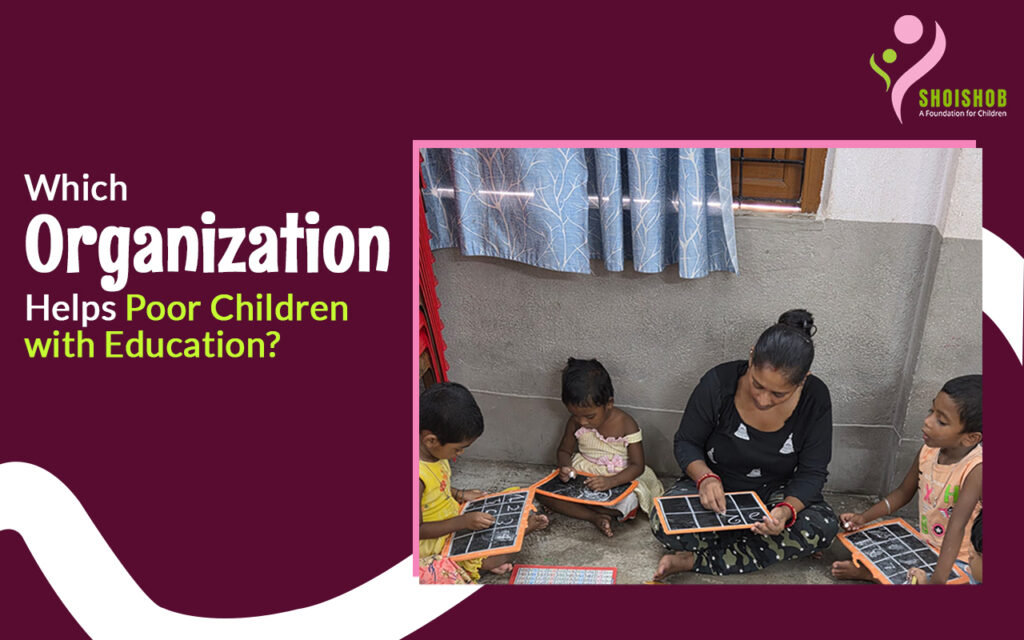
Education has the power to change a child’s future. It opens doors to opportunities, builds confidence, and gives children the chance to dream beyond their circumstances. Yet, for thousands of children from economically disadvantaged families, going to school is still a daily struggle.
Many children are forced to leave their education behind because their families cannot afford books, uniforms, transportation, or even a nutritious meal. Others never get enrolled due to a lack of awareness, documentation, or financial stability. This is where a trusted NGO in Kolkata becomes more than an organisation. It becomes a bridge between a child’s potential and the opportunities they deserve.
This blog explores how organisations supporting children’s education create meaningful change and why holistic educational support matters far beyond the classroom.
Why Education Remains Out of Reach for Many Children
Although education is recognised as a basic right, several challenges continue to prevent children from completing their schooling.
Some of the most common barriers include:
- Financial hardship that forces children into work instead of classrooms.
- Limited access to quality education in underserved communities.
- Hidden expenses such as uniforms, stationery, transportation, and meals.
- Early school dropouts due to family responsibilities or economic pressure.
- Social barriers related to gender, disability, migration, or social background.
- Lack of parental awareness about long-term educational benefits.
When these challenges remain unresolved, the cycle of poverty continues from one generation to the next.
What Makes an Organisation Truly Effective?
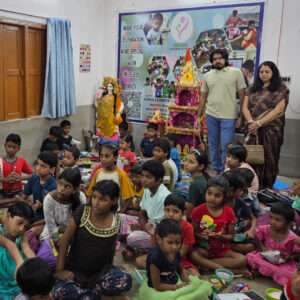
Not every educational initiative creates lasting impact. A trusted NGO in Kolkata focuses on building sustainable solutions rather than offering temporary support.
Some qualities that distinguish effective organisations include:
- Strong partnerships with government and local schools.
- Community-based learning centres that are easily accessible.
- Holistic support addressing both educational and personal needs.
- Transparent operations with measurable outcomes.
- Long-term commitment to children’s development.
- Well-trained educators and volunteers.
- Regular monitoring of attendance, learning progress, and school retention.
- Active involvement of families and local communities.
When education is supported alongside health, nutrition, and emotional well-being, children are far more likely to stay in school and succeed.
Educational Services That Help Children Stay in School
Supporting education means much more than paying school fees. Children often require guidance, resources, and encouragement throughout their learning journey.
School Enrolment and Re-Enrolment Support
Many children remain out of school simply because families don’t know how to complete admissions or lack essential documents.
Support often includes the following:
- Identifying children who are out of school.
- Helping families with admission procedures.
- Assistance with birth certificates and school documentation.
- Age-appropriate classroom placement.
- Counselling parents about the importance of education.
- Monitoring attendance after enrolment.
Academic Learning Support
Children returning to school frequently struggle with learning gaps that have developed over time.
Educational programmes help through:
- Remedial learning classes.
- Supplementary tutoring after school.
- Subject-specific guidance in mathematics, languages, and science.
- Homework support.
- Peer learning groups.
- Regular assessment of academic progress.
These interventions improve confidence while reducing the chances of children dropping out again.
Holistic Child Support
Education becomes sustainable when children’s basic needs are also addressed.
Many programmes provide:
- Nutritious meals.
- School bags, books, uniforms, and stationery.
- Transportation support where needed.
- Health check-ups and medical referrals.
- Emotional counselling.
- Behavioural and psychological support.
By removing everyday barriers, children can focus on learning instead of survival.
How a Trusted NGO in Kolkata Creates Lasting Change
Community-driven organisations understand that every neighbourhood has different challenges.
Instead of applying one solution everywhere, they work closely with families and local schools to create programmes that respond to real needs.
Their approach often includes:
- Establishing learning centres within communities.
- Employing local educators and volunteers.
- Collaborating with schools, Anganwadi centres, and community groups.
- Conducting regular parent meetings.
- Listening to community feedback.
- Building trust through consistent engagement.
This local presence creates stronger relationships and encourages families to stay involved in their children’s education.
Flexible Learning That Meets Children's Needs
Every child’s situation is different.
Some children balance household responsibilities with school. Others may have missed years of education before returning.
Effective organisations respond by:
- Adjusting learning schedules.
- Creating flexible classes.
- Offering bridge courses for children with learning gaps.
- Modifying teaching methods based on individual progress.
- Supporting children during family emergencies or seasonal migration.
This flexibility helps children continue learning despite difficult circumstances.
Focusing on Quality Rather Than Numbers
Educational success should never be measured only by how many children are enrolled.
Real impact comes from ensuring children continue learning year after year.
Successful programmes focus on:
- Healthy student-teacher ratios.
- Continuous teacher training.
- Individual attention.
- Regular learning assessments.
- Long-term mentoring.
- Consistent programme improvement.
The goal is not simply school attendance but meaningful education.
Measuring Real Educational Impact
Organisations committed to children’s education evaluate success using measurable outcomes.
These include:
- School enrolment rates.
- Attendance improvements.
- Literacy and numeracy development.
- Grade progression.
- Reduction in dropout rates.
- Transition into higher education or vocational training.
- Increased family participation in children’s education.
- Positive changes across the wider community.
These indicators demonstrate whether educational programmes are creating lasting opportunities.
Supporting Children Beyond the Classroom
Education extends beyond textbooks and examinations.
Children also need emotional support, practical skills, and safe environments to grow into confident adults.
Many educational initiatives therefore include:
- Mental health and counselling support.
- Digital literacy programmes.
- Computer education.
- Career awareness and mentoring.
- Life skills training.
- Vocational skill development.
- Child protection and safeguarding services.
- Family support programmes that reduce financial pressure.
Helping children thrive means preparing them for life, not just for school.
Shoishob: The Foundation for Children
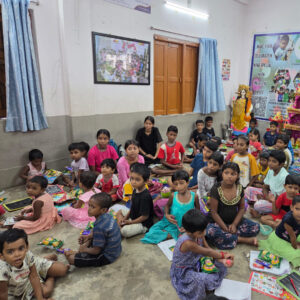
Among organisations working to improve children’s education, Shoishob Foundation continues to support children through a community-focused approach that addresses multiple barriers to learning.
Instead of focusing only on enrolment, the organisation works towards creating an environment where children can continue their education with confidence. Through educational support, community engagement, and holistic child development initiatives, Shoishob Foundation helps children build stronger foundations for the future.
As a trusted NGO in Kolkata, the organisation believes every child deserves access to quality education, regardless of their financial background. By working alongside families, volunteers, educators, and community members, it aims to ensure children receive not only learning opportunities but also the support needed to continue their educational journey.
Whether through volunteering, partnerships, or donations, every contribution helps create brighter futures for children who deserve the chance to learn, grow, and succeed.
Conclusion
Every child deserves the opportunity to learn, dream, and build a better future. Education is one of the most powerful tools for breaking the cycle of poverty, but many children still face obstacles that prevent them from accessing it.
A trusted NGO in Kolkata doesn’t simply help children enter classrooms. It supports families, strengthens communities, removes barriers, and creates an environment where children can continue learning with dignity.
When communities, organisations, volunteers, and supporters work together, education becomes more than a possibility. It becomes a pathway to lasting change for every child.

Frequently Asked Questions
Who can receive educational support from child-focused organisations?
Children from economically disadvantaged families, especially those out of school or at risk of dropping out, are usually eligible.
Do families need to pay for educational support programmes?
Most programmes are free or highly subsidised, ensuring financial constraints don’t prevent children from learning.
Can volunteers contribute without being teachers?
Yes. Volunteers can mentor children, organise activities, support events, or assist with administrative work.
Besides education, what other support do children receive?
Many organisations also provide meals, health check-ups, counselling, school supplies, and life skills programmes.
How can individuals support children's education?
People can contribute through donations, volunteering, sponsoring educational resources, or partnering with organisations that work for children’s development.
Join us in creating opportunities, restoring dignity, and building brighter futures for children and families in need.
Shoishob Foundation is a trusted NGO in Kolkata and a dedicated child welfare organisation, empowering underprivileged children and women through education, cultural development, healthcare, and livelihood initiatives to create brighter, more dignified futures.
/* Background Overlay */
background-color: rgba(0, 0, 0, 0.75); /* Dark semi-transparent background */
/* Active State */
/* Popup Container (Fully Responsive) */
max-width: 500px; /* Laptop / Desktop width */
width: 100%; /* Mobile responsive */
max-height: 90vh; /* Height overflow control for small screens */
/* Popup Image */
max-height: 85vh; /* Screen se bahar nahi jayegi */
/* Cross (Close) Button */
background-color: #dc2626; /* Eye-catching red color */
/* Mobile screens ke liye adjust close button */
// 1 Second (1000ms) baad turant open karne ke liye
// Close Button click event
// Background Overlay click karne par close hoga




-
Head Office:
308 Dr B C Roy Sarani, Masunda West, New Barrackpur, Kolkata - 700131 -
Branch Office:
15A/6, Khanpur Rd, Naktala, Netaji Nagar, Naktala, Kolkata - 700047 - info@shoishobfoundation.com
- +91 84209 72430
Copyright © 2026 Shoishob Foundation. All Rights Reserved. Crafted with ❤️ by Aspire Digital Media