How Can Skill Development Help Underprivileged Women Become Financially Independent?

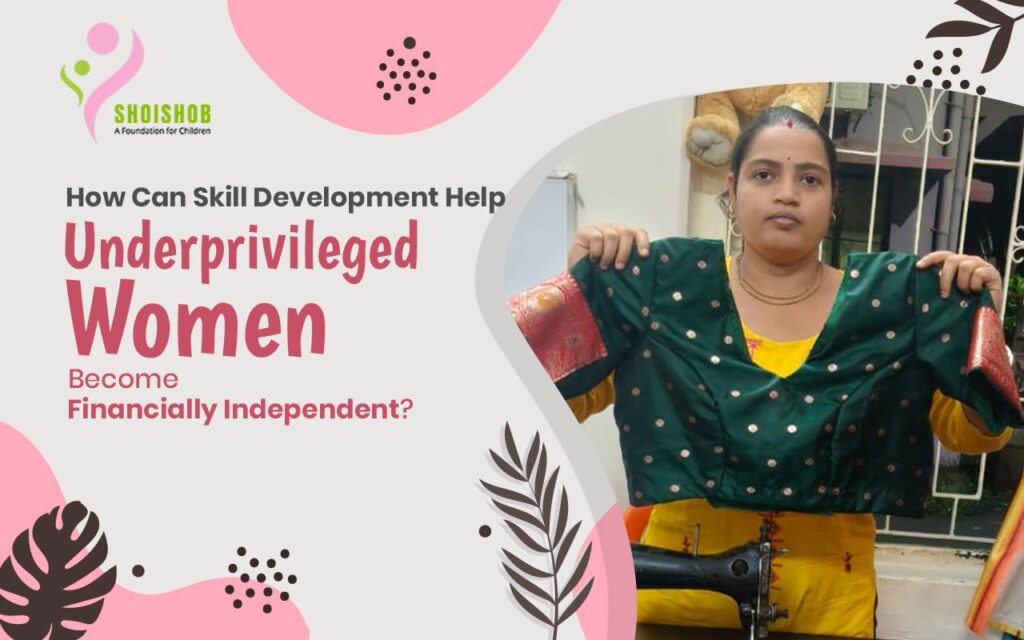
Financial independence changes more than a bank balance. It affects who decides how money is spent, whether a child can stay in school and how a woman sees her own future. For many women in underprivileged communities, the barrier is rarely ambition. It is access to skills, safe work and a fair chance to earn. Skill development for women offers a practical route through that barrier, especially when training is designed around real local needs. This post explains how training turns into income, what holds women back, and what a supportive approach looks like in practice.
Why Financial Independence Matters for Families
Skill development for women is often the first step toward a steady household income. When a woman earns, the benefits usually spread beyond her. Income can cover school fees, nutritious food and health care, and it gives women a stronger voice in decisions that affect the whole family. Research in many settings has linked women’s earnings with better outcomes for children, although the size of that effect depends on local conditions.
Independence also matters at the personal level. A woman who controls some money can plan ahead, respond to emergencies and refuse arrangements that leave her dependent. These changes tend to ripple outward, into how daughters are raised and how neighbours view women’s work.A child and women empowerment organisation can help strengthen families by connecting women’s financial independence with children’s education and wellbeing.
What Makes Training Work
Not every training programme leads to income. Effective programmes share a few features:
- Training is matched to jobs that exist in the local area, such as tailoring, food preparation, beauty services or basic computer work.
- Sessions are scheduled around household responsibilities, with childcare or flexible timing where possible.
- Participants practise on real tasks, not only theory, so they build confidence and a small portfolio of finished work.
- Graduates receive help finding customers, employers or small-scale markets for what they make or offer.
Skill development for women is most effective when it moves from the classroom to earnings. A certificate alone rarely changes a household’s finances. A woman who can take orders, price her work and deliver on time is far more likely to build a steady income.
Vocational Training as a Practical Starting Point
Vocational training for women is often the fastest way to start earning. Short courses in stitching, handicrafts, cooking or basic repair can be completed within weeks or a few months. Participants can begin small earning activities while they keep learning, which reduces the risk of leaving a job before a new one is secure. Over time, these early steps can grow into stable businesses or regular employment.
The best courses also leave room for experimentation. A woman who learns embroidery may discover that she is better at designing patterns for others, or that a neighbourhood shop needs reliable custom orders. Flexibility allows skills to adapt to demand.
Barriers That Hold Women Back
Good intentions are not enough if practical barriers remain. Common obstacles include:
- Limited mobility, especially for women who need permission to travel outside their area
- Unpaid care work at home, which leaves little time for classes or work
- No access to savings, credit or a safe place to keep earnings
- Missing identification or documents needed for formal work or banking
- Social expectations that discourage women from earning outside the home
Programmes that acknowledge these barriers tend to perform better. Training close to home, flexible schedules and community-based mentors can make participation possible for women who would otherwise be unable to join. Some programmes also arrange childcare or group travel so that attending does not depend on one woman’s ability to negotiate her household’s routine alone.
Building Confidence Alongside Skills
Financial independence depends on more than technical skill. Many women from underprivileged backgrounds have spent years being told that their opinions do not matter. Confidence grows gradually. It develops when a woman speaks up in a group, negotiates a fair price or finishes a task that others doubted she could manage.
Skill development for women should therefore include communication practice, basic financial literacy and time for reflection. Role-play exercises for pricing conversations, group discussions about goals and peer feedback sessions all help. These elements turn a new skill into a sense of agency that lasts beyond the course.
Financial Literacy and Savings
Earning is only the first step. Women also benefit from learning how to manage income:
- Keeping simple records of sales, costs and profit
- Setting aside a portion of earnings for emergencies
- Understanding loans and repayment terms before borrowing
- Separating household spending from business money
These habits protect small businesses from collapse. A woman who knows her real profit can decide whether to expand, change products or pause. Good financial habits also make it easier to use formal banking services over time, which in turn builds a record that supports future credit and savings
Women Empowerment in India at the Local Level
Women empowerment in India is often discussed in national terms, yet change is felt in individual homes and neighbourhoods. A woman who runs a small tailoring unit, sells home-cooked food or provides repair services becomes visible in her community. That visibility shifts expectations, particularly for younger women and girls who watch what is possible. Local programmes that link skills, income and dignity help turn broad goals into everyday realities.According to UN Women, improving access to skills, financial resources and livelihood opportunities plays an important role in advancing women’s economic empowerment in India.
Consider a hypothetical example. A woman with basic sewing skills joins a short course, takes on school uniform orders from nearby families and gradually adds bags and household items to her range. Within a year, she is covering part of her children’s school costs and has begun training a neighbour. Her story is not unusual when the support around her is practical and sustained.
Measuring Real Progress
Progress in this area should be measured in ways that reflect real change. Useful indicators include:
- Number of participants who complete training and begin earning
- Monthly income reported by participants, tracked over several months
- Share of women who keep business records or open savings accounts
- Changes in participants’ confidence, as shared in follow-up discussions
Measuring outcomes over time helps programmes learn what works. A training course that looks successful on enrolment numbers may still fail if graduates cannot find work. Honest reporting is the only way to improve.
How Shoishob Supports Women’s Independence
Shoishob Foundation for Children is a trusted NGO in Kolkata dedicated to supporting underprivileged children and empowering women across West Bengal. Its work recognises that children’s wellbeing is closely tied to the economic security of their mothers and the women who care for them. Programmes that build women’s independence are therefore part of the same mission as education and child health. Its approach includes:
- Skill development for women aligned with practical livelihoods
- Basic financial literacy and record-keeping sessions
- Peer support groups that build confidence and shared learning
- Awareness sessions on health, nutrition and children’s education
The organisation treats skill development for women and children’s education as connected goals, not separate projects. Those who want to learn more about this work can visit shoishobfoundation.com to explore programmes and ways to get involved.

Frequently Asked Questions
What does skill development for women mean?
It refers to training in practical trades and digital work that lead to income, such as tailoring, food production or basic computer skills.
How long does training usually take?
Many short courses run from a few weeks to several months, depending on the trade and the depth of training.
Can women start earning while they are still training?
Yes. Practice-based courses let participants take small orders or projects while they continue learning.
Why does financial literacy matter for women entrepreneurs?
It helps women separate business and household money, price products correctly and plan for emergencies.
How can I support women’s financial independence?
You can volunteer your skills, share local job leads, buy from women-run businesses or support organisations with clear reporting.
Join us in creating opportunities, restoring dignity, and building brighter futures for children and families in need.
Shoishob Foundation is a trusted NGO in Kolkata and a dedicated child welfare organisation, empowering underprivileged children and women through education, cultural development, healthcare, and livelihood initiatives to create brighter, more dignified futures.
/* Background Overlay */
background-color: rgba(0, 0, 0, 0.75); /* Dark semi-transparent background */
/* Active State */
/* Popup Container (Fully Responsive) */
max-width: 500px; /* Laptop / Desktop width */
width: 100%; /* Mobile responsive */
max-height: 90vh; /* Height overflow control for small screens */
/* Popup Image */
max-height: 85vh; /* Screen se bahar nahi jayegi */
/* Cross (Close) Button */
background-color: #dc2626; /* Eye-catching red color */
/* Mobile screens ke liye adjust close button */
// 1 Second (1000ms) baad turant open karne ke liye
// Close Button click event
// Background Overlay click karne par close hoga


-
Head Office:
308 Dr B C Roy Sarani, Masunda West, New Barrackpur, Kolkata - 700131 -
Branch Office:
15A/6, Khanpur Rd, Naktala, Netaji Nagar, Naktala, Kolkata - 700047 - info@shoishobfoundation.com
- +91 84209 72430
Copyright © 2026 Shoishob Foundation. All Rights Reserved. Crafted with ❤️ by Aspire Digital Media