
Why Education Is the First Step Toward Breaking the Cycle of Poverty

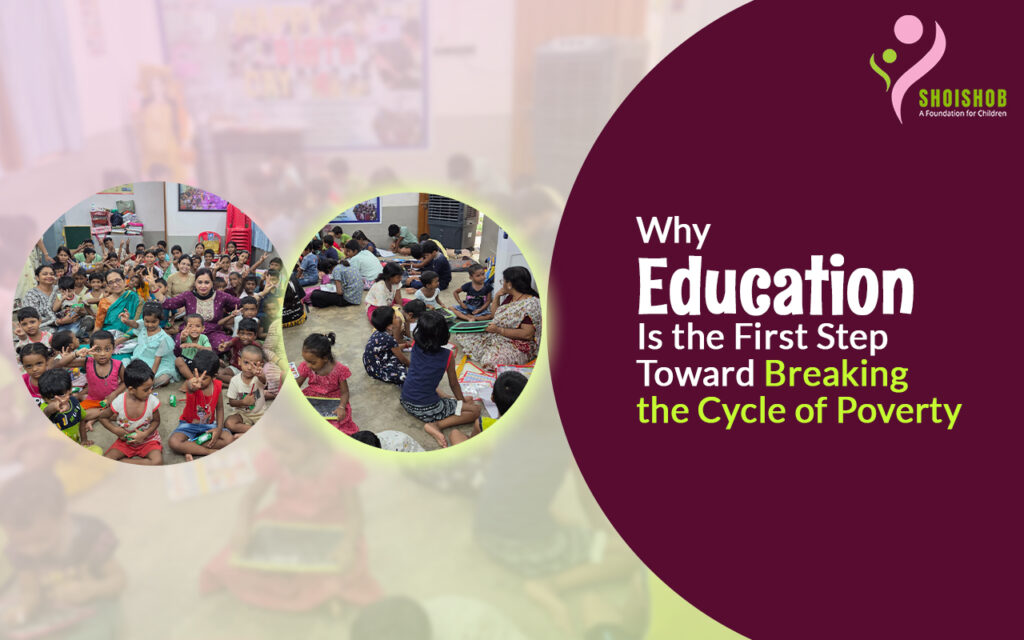
For many of us, education begins with a school bell, a backpack, and dreams about the future. But for countless children, education is a privilege they are still waiting for.
Across Kolkata and many parts of India, thousands of children wake up every morning with responsibilities far bigger than homework. Some work to support their families. Some care for younger siblings while their parents struggle to earn a daily wage. Others simply cannot afford school because uniforms, books, or transportation are beyond their family’s reach.
Poverty steals opportunities long before children are old enough to understand what they have lost.
Yet there is one force powerful enough to change that story: education.
Education is more than reading books or passing exams. It gives children confidence, choices, and hope. It helps families dream beyond survival and creates opportunities that can transform not just one life but generations to come. That is why every Organization for Underprivileged Children plays such a vital role in creating lasting social change.
Poverty Is More Than a Lack of Money
Poverty is often measured through income, but its impact goes much deeper.
When families struggle to meet their daily needs, education is usually the first sacrifice. A child who should be sitting in a classroom may instead be working in a shop, helping at home, or simply staying away because school expenses feel impossible.
This creates a painful cycle.
Parents who never had access to education often have fewer employment opportunities. Limited income forces children to leave school early. Those children grow up facing the same challenges, and the cycle continues generation after generation.
Without intervention, poverty quietly repeats itself.
Why Children Miss Out on Education
Many people assume education is free, but for vulnerable families, hidden costs become overwhelming.
Some of the biggest barriers include:
- School uniforms and stationery expenses
- Transportation costs
- Textbooks and learning materials
- Child labour due to financial pressure
- Malnutrition affecting concentration and attendance
- Poor healthcare leading to frequent absences
- Lack of parental awareness about long-term educational benefits
- Social discrimination based on gender, caste, or economic background
- Overcrowded and under-resourced schools
For these children, missing school isn’t a choice. It is often a consequence of circumstances beyond their control.
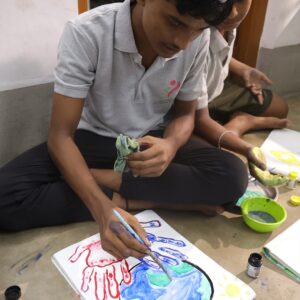
Education Changes Everything
When a child receives quality education, something remarkable begins to happen.
Learning opens doors that poverty had kept shut.
Education helps children discover their abilities, believe in themselves, and build skills that create opportunities throughout life.
Better Employment Opportunities
Education increases the chances of stable employment and higher lifetime earnings.
Children who complete their education are more likely to:
- Find formal employment with better wages
- Develop vocational skills
- Build digital literacy for today’s evolving workforce
- Learn financial management and responsible decision-making
- Become financially independent adults
Every lesson learned today can become an opportunity tomorrow.
Better Health for Entire Families
Education doesn’t only improve careers.
It also improves lives.
People with education are more likely to:
- Understand proper nutrition
- Practice good hygiene
- Access preventive healthcare
- Make informed medical decisions
- Raise healthier children
Educated mothers especially play a significant role in improving child nutrition, healthcare, and early learning within families.
One educated child often creates healthier generations ahead.
Confidence That Changes Lives
Perhaps one of education’s greatest gifts cannot be measured by marks or certificates.
It gives children confidence.
Children begin to believe that their dreams matter.
Education helps them:
- Express themselves confidently
- Understand their rights
- Make informed decisions
- Participate in their communities
- Build meaningful relationships
- Develop leadership qualities
When children believe in themselves, their future begins to change.
Breaking the Cycle for Future Generations
The impact of education extends far beyond one child.
Research consistently shows that educated parents are more likely to:
- Keep their children in school
- Support learning at home
- Invest in their children’s future
- Encourage higher education
- Build financially stable households
This is how education breaks the cycle of poverty.
One educated child often becomes the reason an entire family moves toward a better future.
How an Organization for Underprivileged Children Creates Lasting Change
Providing education requires much more than opening classroom doors.
Children facing poverty need complete support systems that help them overcome every barrier standing in their way.
An Organization for Underprivileged Children understands that real change happens when education is supported with care, compassion, and consistency.
Removing Financial Barriers
Many children simply need someone to remove the obstacles keeping them away from school.
Support often includes the following:
- Free or affordable education
- School supplies and textbooks
- Uniform assistance
- Transportation support
- Nutritious meals
- Reduced education expenses for families
When financial burdens are lifted, children can focus on learning instead of survival.
Bridging Learning Gaps
Every child learns differently.
Some need additional guidance before they can confidently continue their education.
Support includes:
- Learning assessments
- Remedial education
- Personalized tutoring
- Literacy and numeracy improvement
- Bridge courses for children returning to school
- Multi-language learning support suited to Kolkata’s diverse communities
No child should be left behind simply because they started later.
Supporting the Whole Child
Education becomes meaningful when children feel healthy, safe, and emotionally supported.
Holistic care includes the following:
- Regular health check-ups
- Nutritional support
- Mental health and counselling services
- Safe learning environments
- Recreational and social development activities
- Protection from exploitation and abuse
Children learn best when they know someone truly cares about them.
Involving Families and Communities
Education succeeds when entire communities become part of the journey.
Community-focused initiatives include:
- Parent awareness programmes
- Adult literacy initiatives
- Vocational training
- Employment partnerships
- Community advocacy for education
When families understand the value of education, children are far more likely to remain in school.
Measuring Real Impact Beyond the Classroom
Every meaningful initiative should create measurable change.
An effective Organization for Underprivileged Children looks beyond enrolment numbers and focuses on long-term outcomes.
Important indicators include:
- School enrolment rates
- Attendance consistency
- Literacy and numeracy improvements
- Academic progression
- Higher education admissions
- Employment opportunities after graduation
- Family income improvements
- Better health and nutrition outcomes
- Positive changes in community attitudes toward education
Real success is not just helping children attend school.
It is helping them build independent, fulfilling lives.
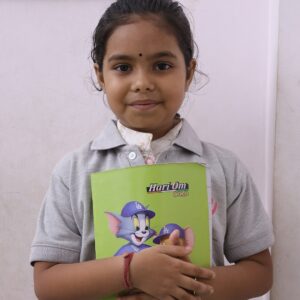
Shoishob: Creating Hope Through Education
At Shoishob Foundation, education is viewed as the beginning of lasting transformation.
Both organisations believe every child deserves the opportunity to dream, learn, and grow regardless of financial circumstances.
Their shared efforts focus on reaching children who need support the most and ensuring they receive opportunities that many of us take for granted.
Together, They Work Towards
- Identifying underserved communities
- Connecting vulnerable families with educational support
- Mobilising volunteers and learning resources
- Encouraging quality education through community partnerships
- Supporting initiatives that improve children’s futures
Shoishob Support Children
Their work extends far beyond classrooms.
They help create environments where children feel valued, encouraged, and capable of achieving more.
Their initiatives include:
- Educational scholarships
- Learning sponsorship programmes
- Volunteer tutoring and mentoring
- School resource support
- Community awareness programmes
- Advocacy for stronger educational infrastructure
- Celebrating children’s achievements to inspire confidence
Every smile, every lesson learned, and every child who stays in school becomes another step toward breaking poverty’s grip.
You Can Be Part of Someone's Story
Changing a child’s future doesn’t always require extraordinary resources.
Sometimes, it begins with one decision to care.
By supporting an Organization for Underprivileged Children, you help create opportunities that last a lifetime.
You can make a difference by:
- Volunteering your time
- Supporting educational programmes
- Donating books or learning materials
- Sponsoring a child’s education
- Raising awareness within your community
- Encouraging others to contribute
Through the collective efforts of Children Foundation and Shoishob Foundation, more children are discovering that their dreams deserve a chance to grow.
Because when one child receives an education, hope doesn’t stop with them.
It reaches families.
It strengthens communities.
And slowly, one classroom at a time, it begins to break the cycle of poverty forever.

Frequently Asked Questions
How does education help break the cycle of poverty?
Education improves skills, employment opportunities, health awareness, and financial independence, helping families build a better future across generations.
Why is an organisation for underprivileged children important?
Such organisations remove barriers like financial hardship, lack of resources, and learning gaps, ensuring vulnerable children receive quality education and holistic support.
Is education alone enough to eliminate poverty?
Education is the foundation, but combining it with healthcare, nutrition, family support, and employment opportunities creates stronger and more sustainable outcomes.
How do Children Foundation and Shoishob Foundation support children?
They provide educational assistance, scholarships, mentoring, community awareness, learning resources, and support programmes that help children continue their education confidently.
How can I contribute to children's education?
You can volunteer, sponsor a child’s education, donate learning resources, support educational initiatives, or advocate for equal learning opportunities within your community.
Join us in creating opportunities, restoring dignity, and building brighter futures for children and families in need.
Shoishob Foundation is a trusted NGO in Kolkata and a dedicated child welfare organisation, empowering underprivileged children and women through education, cultural development, healthcare, and livelihood initiatives to create brighter, more dignified futures.
/* Background Overlay */
background-color: rgba(0, 0, 0, 0.75); /* Dark semi-transparent background */
/* Active State */
/* Popup Container (Fully Responsive) */
max-width: 500px; /* Laptop / Desktop width */
width: 100%; /* Mobile responsive */
max-height: 90vh; /* Height overflow control for small screens */
/* Popup Image */
max-height: 85vh; /* Screen se bahar nahi jayegi */
/* Cross (Close) Button */
background-color: #dc2626; /* Eye-catching red color */
/* Mobile screens ke liye adjust close button */
// 1 Second (1000ms) baad turant open karne ke liye
// Close Button click event
// Background Overlay click karne par close hoga





-
Head Office:
308 Dr B C Roy Sarani, Masunda West, New Barrackpur, Kolkata - 700131 -
Branch Office:
15A/6, Khanpur Rd, Naktala, Netaji Nagar, Naktala, Kolkata - 700047 - info@shoishobfoundation.com
- +91 84209 72430
Copyright © 2026 Shoishob Foundation. All Rights Reserved. Crafted with ❤️ by Aspire Digital Media