
Tailoring a Better Future: How Skill Training Is Making Women Independent

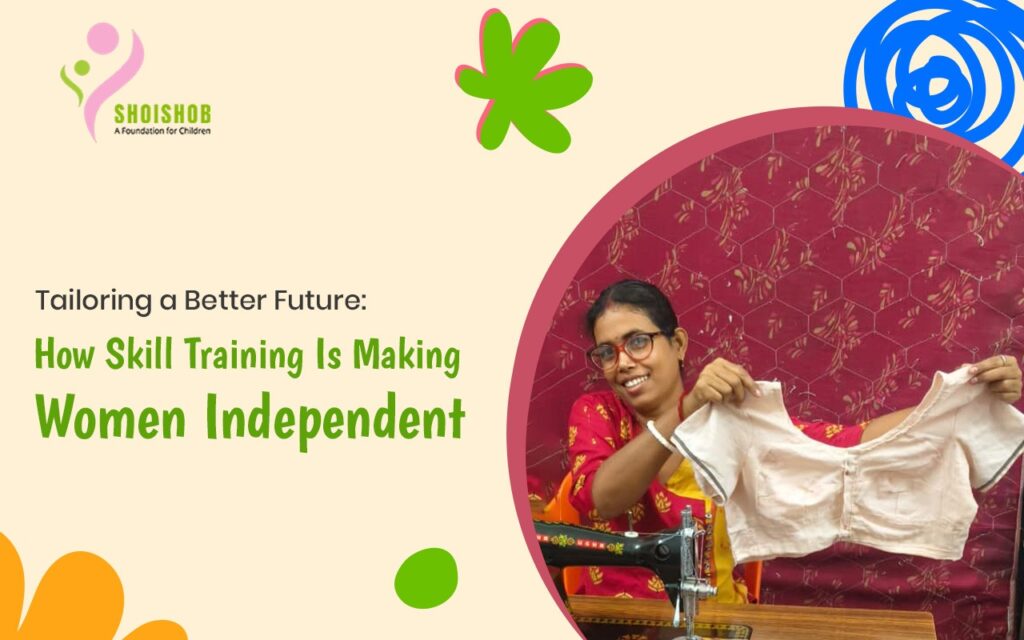
Ask a woman who has never earned her own money what she’d change first, and the answer is rarely big. She wants to buy her child’s school shoes without asking anyone for the money. She wants to see a doctor the day she feels unwell, not after a week of waiting for permission. That kind of ordinary freedom is what a sewing machine can start to give her.
Tailoring is one of the few skills a woman can learn in a few months, practise at home and turn into steady work in her own neighbourhood. It’s the reason tailoring classes for women in Kolkata come up so often when people talk about livelihood. The stitching matters, but what happens around it matters more: the first order, the first payment, the first time she decides how the money gets used.
This post covers why tailoring works, what good training includes, and how the change goes well beyond income.
Why Tailoring Works for Women Who Are Starting From Zero
Plenty of skills ask for a degree, a laptop or money to begin. Tailoring asks for much less, which is why tailoring classes for women in Kolkata fill up with beginners.
- Low entry barrier. No formal certificate, no English, no big investment. A machine, some fabric and regular practice are enough to begin.
- Work that fits around home. A woman with young children or elders to look after can take orders between chores. In families that don’t allow outside work, this is often the only door that opens.
- Demand that doesn’t dry up. Blouses, kurtas, school uniforms, alterations, curtains. Around Durga Puja and wedding season, every tailor in the neighbourhood is booked.
- Skills that grow. Someone who starts with hemming and alterations can move to blouses, then full garments, then teach a younger girl.
- Payment on delivery. Most orders are paid when the garment is handed over, so income shows up quickly instead of waiting for month-end.
What Good Skill Training for Women Includes
Skill development plays an important role in creating employment opportunities for women. Government initiatives like the Skill India initiative also promote vocational training and self-reliance.A sewing course can run for months and still leave a woman unable to take an order. The difference lies in what gets taught and how much time goes to practice. A strong course usually covers:
- Machine handling. Threading, tension, speed control, and basic repairs. Most beginners lose confidence here, so it needs patience.
- Measurements and cutting. A wrongly cut piece can’t be fixed. Taking measurements properly is where good tailors pull ahead.
- Pattern work. Blouses, petticoats, kurtas, children’s wear. The garments neighbours actually order.
- Finishing. Hems, linings, buttons, and neat inner seams. Customers go back to the tailor whose clothes feel finished.
- Order handling. Writing down measurements, delivery dates, advances and dues in a simple notebook, so nothing gets forgotten or disputed.
- Hands-on hours. Skills come from repetition. A class that’s mostly talking won’t produce a tailor.
From Stitching to Financial Independence for Women
The first order is exciting. By the tenth, something quieter has happened: she has a pattern of income she can count on.
Here’s what usually follows:
- A say in household decisions. When she adds to the monthly budget, her opinion on spending, schooling and health carries weight it didn’t before.
- A bank account in her name. Many women only start saving once the money is clearly theirs.
- Children’s education. A mother’s earnings often go straight to school fees, books and uniforms.
- A cushion for emergencies. A medical bill or a lost job in the family doesn’t push the whole household into crisis.
- More choices. When things at home get difficult, she has options she didn’t have before.
Each payment she handles herself makes the next decision a little easier. It builds slowly, one order at a time.
Confidence Changes Before the Income Does
Money is the visible result. Confidence usually moves first, and it’s harder to see from outside.
- She speaks to customers directly, discusses designs and agrees on delivery dates.
- She goes to the market for fabric and buttons on her own.
- Neighbours and relatives start asking for her opinion, not just her stitching.
- She teaches a daughter, sister or friend, and becomes the person others in the lane come to.
- She starts planning: next month’s orders, a second machine, maybe a small shop of her own.
This is where women self-reliance becomes real. Nobody hands it to her. She builds it with every garment she finishes and every customer who comes back.
Habits That Help a New Tailor Last
The first year decides a lot. A few habits make it easier to keep going:
- Start with alterations and repairs. They’re quick, low-risk and bring in the first customers.
- Stitch for family and neighbours first. People who’ll tell her the truth about a bad fit are the best practice she can get.
- Keep a finished sample. A blouse or kurta on display shows customers what she can do before she says a word.
- Ask for a reference after every delivery. Word of mouth brings in most early orders.
- Fix a daily practice hour. Even on a busy day, thirty minutes at the machine keeps the hands sharp.
Where Tailoring Alone Falls Short
A sewing machine without support can stall. Four gaps show up again and again:
- Money handling. Household money and work money get mixed up, and the work never grows.
- Market access. Skill without customers goes nowhere. Early orders usually come through neighbours and word of mouth, so someone needs to help her get those first few.
- Health and hygiene awareness. Women who feel well can work regularly, and good hygiene habits protect the whole family.
- Guidance in the early months. A trainer who stays in touch can be the difference between a woman who quits and one who carries on.
That’s why training works best inside a bigger support system.
How Shoishob Foundation Supports Women Through Skill and Savings
We began in Kolkata on 11 August 2021 with one belief: “We can’t help everyone, but everyone can help someone.” Our work started with children. Today more than 400 children receive quality education, nutritious meals, healthcare, cultural activities, computer literacy and skill development.
Working with children made something obvious. A child’s future depends heavily on how stable the mother’s life is. So we extended our work to women, and today families turn to us as both a child welfare organisation and a women empowerment NGO Kolkata can rely on.
Our women’s programmes include:
- Tailoring. Our tailoring classes for women in Kolkata take a beginner from machine basics to finished garments.
- Financial empowerment initiatives. Sessions on saving, handling money and treating stitching as a regular source of income.
- Hygiene programmes. Practical awareness on personal and family hygiene, for the woman and for the home.
The two sides of our work feed each other. When a mother earns, her child stays in school longer. When a child is cared for, the mother can focus on building her work.
How You Can Help
- Tell a woman you know about tailoring classes for women in Kolkata.
- Volunteer your time or a skill you can teach.
- Visit shoishobfoundation.com to learn more and get in touch.
A sewing machine is a small thing. Women’s self-reliance rarely arrives in one big moment; it comes through small, repeated wins. A woman who earns, saves and decides for herself changes her whole household, and the next generation sees it. Come and be part of that.

Frequently Asked Questions
Do I need experience to join tailoring classes for women in Kolkata?
No. Good programmes begin with machine handling and measurements, so complete beginners can start.
How soon can a woman start earning after training?
Simple alteration and repair orders can come within a few months of steady practice. Full garments take longer.
Can tailoring really lead to financial independence for women?
Yes, when it comes to money-handling basics and regular orders. Income she controls is where it begins.
Is skill training for women only about tailoring?
No. Tailoring sits alongside financial empowerment sessions and hygiene programmes, because a skill works better when the rest of life supports it.
What does a women empowerment NGO Kolkata residents can approach and actually offer?
Training, guidance and a place to learn with other women. Many also support the woman’s children.
Join us in creating opportunities, restoring dignity, and building brighter futures for children and families in need.
Shoishob Foundation is a trusted NGO in Kolkata and a dedicated child welfare organisation, empowering underprivileged children and women through education, cultural development, healthcare, and livelihood initiatives to create brighter, more dignified futures.
/* Background Overlay */
background-color: rgba(0, 0, 0, 0.75); /* Dark semi-transparent background */
/* Active State */
/* Popup Container (Fully Responsive) */
max-width: 500px; /* Laptop / Desktop width */
width: 100%; /* Mobile responsive */
max-height: 90vh; /* Height overflow control for small screens */
/* Popup Image */
max-height: 85vh; /* Screen se bahar nahi jayegi */
/* Cross (Close) Button */
background-color: #dc2626; /* Eye-catching red color */
/* Mobile screens ke liye adjust close button */
// 1 Second (1000ms) baad turant open karne ke liye
// Close Button click event
// Background Overlay click karne par close hoga




-
Head Office:
308 Dr B C Roy Sarani, Masunda West, New Barrackpur, Kolkata - 700131 -
Branch Office:
15A/6, Khanpur Rd, Naktala, Netaji Nagar, Naktala, Kolkata - 700047 - info@shoishobfoundation.com
- +91 84209 72430
Copyright © 2026 Shoishob Foundation. All Rights Reserved. Crafted with ❤️ by Aspire Digital Media